
The right hydraulic hose fittings are the ones that match your hose, your thread standard and your working pressure, all at once. Miss any one of the three and the assembly leaks or bursts.
Most buyers start with the hose. The end connection comes later, almost as an afterthought. That’s backwards. The fitting is where leaks begin, where vibration does its damage, and where a ten-minute repair turns into a lost shift on a site in Jebel Ali or Mussafah.
Why the fitting usually gives up before the hose does
Hydraulic hose is forgiving. It flexes, it ages slowly, and you can usually see trouble coming: a cracked cover, a bulge, a damp patch near the end. The fitting hides its problems. Crimp too shallow and the hose can work its way out under load. Crimp too deep and you’ve damaged the reinforcement wire inside, and nobody finds out until the day it matters.
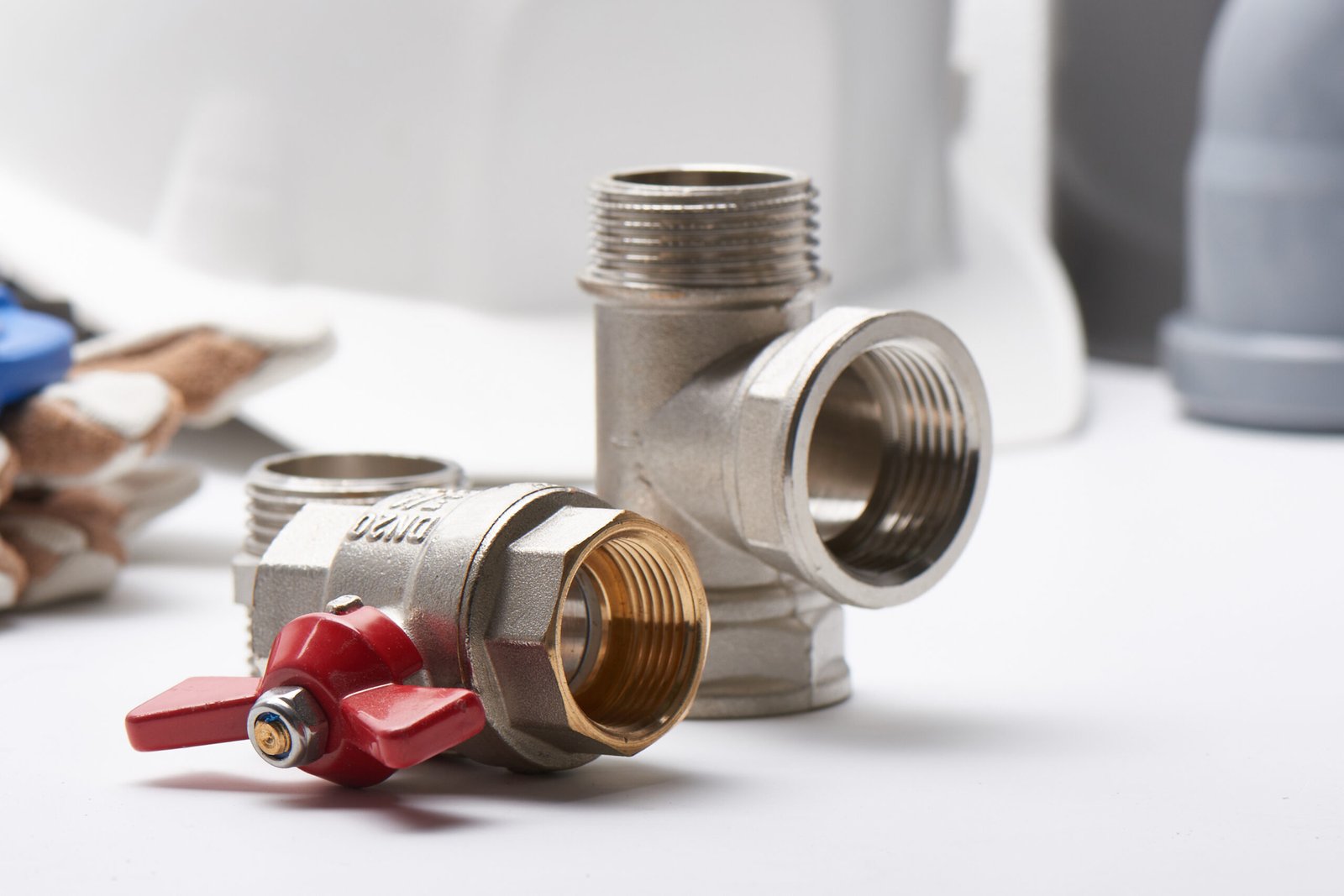
Thread mismatch is the other classic. BSP, NPT, JIC, ORFS, metric. Some look close enough on the bench that they’ll even start to turn together. That’s the trap, because a fitting that almost fits is a fitting that leaks.
Four things to match before you order
Run through these in order. Five minutes, and you’ve saved yourself a return trip.
Hose size and construction
Start with the inside diameter, usually given as a dash size, then look at how the hose is built. Braided hydraulic hoses suit medium pressure and tidy routing, while spiral-wire versions handle high pressure and heavy pulsing, the kind you see on excavator booms. The fitting has to be designed for that exact construction. Same diameter isn’t enough.
Thread and sealing type
Measure. Don’t guess. A thread gauge costs almost nothing next to a wrong batch of hydraulic hose fittings, and then there’s the sealing method to check: O-ring face seal, 37-degree flare, tapered thread, bonded seal. Each one works differently. Mix them and you get a weeping joint that “just needs another quarter turn.” It doesn’t.
Pressure rating, including the spikes
Respect the working pressure on the label, but remember real systems spike. A valve shifts, a load drops, and pressure jumps well past what the pump is set to on a calm day. Build in headroom. If the machine’s manual lists a relief valve setting, start there.
Fluid and temperature
Mineral oil, water glycol, fire-resistant fluids, even fuel on some jobs. The inner tube of the hose and the seals in the fitting both have to tolerate whatever is flowing through them. Not sure what the system holds? Find out first.
What UAE conditions do to hoses and fittings
Heat is the obvious one. Summer temperatures regularly push past 40°C, and a machine working in direct sun with hot oil running through it has a tougher life than the datasheet suggests. Covers on hydraulic hoses harden and crack sooner. UV speeds that up. Dust works into every exposed thread, and on the coast, salt air eats plating from the outside in.
So when you source hydraulic hoses Dubai operators rely on for construction, marine and port equipment, ask about cover compound and abrasion resistance, not only price per metre. Same for hydraulic hose fittings Dubai buyers choose for coastal work: zinc-nickel plating or stainless steel is often worth the extra cost, because standard zinc can corrode faster near the water.
One caveat. Not every site needs premium everything. A workshop press running indoors doesn’t face what a quay crane does.
Crimped assemblies beat reusable fittings, almost every time
Here’s a firm opinion: for anything beyond light duty, buy crimped assemblies. Reusable fittings have a place, mainly emergency repairs when a machine is stuck far from a workshop, but they depend on someone assembling them correctly with hand tools, and there’s no crimp record and no pressure test behind them.
Fitting hydraulic hose ends with a calibrated crimping machine gives a repeatable result. The die is chosen for that specific hose and fitting pair, the crimp diameter is measured, and the finished assembly can be pressure tested before it leaves the shop. Compare that with fitting hydraulic hose by hand in a vice on a hot afternoon. One is a process. The other is hope.
Doubtful about an old assembly? Replace it. A cheap hydraulic hose that bursts on a loaded machine costs far more than whatever you saved.
Buying hose and fittings from one source
Buying hydraulic hoses and fittings from separate places feels like a saving. Often it isn’t. Hose makers publish crimp specifications for their own hose paired with matched fittings, and mixing brands can leave you outside those specs. If it fails, nobody owns the problem.
One source that supplies both, and stands behind the finished assembly, removes that argument. It also means a single phone call when something has to be rebuilt in a hurry.
Supplier or manufacturer: which one do you actually need?
The hydraulic hose manufacturer makes the hose itself, to standards like SAE or EN. A hydraulic hose supplier stocks it, cuts it to length and builds assemblies. Most UAE buyers need the second: someone local who can respond fast, backed by a manufacturer’s quality.
Large fleets sometimes go straight to a hydraulic hose manufacturer for volume orders, which makes sense at hundreds of metres a month. Everyone else is better off local.
Compare suppliers on more than price. Can they cut and crimp to length the same day? Do they stock the thread types your machines actually use? Can they identify an old fitting you can’t name? A good hydraulic hose fittings supplier should also tell you which brand and standard each fitting follows, and show paperwork if you ask.
Where Inflex Hydraulics fits in
If you’re sourcing in Dubai, contact Inflex Hydraulics with your hose part number, thread type and working pressure. Photos of the old assembly help if you have one. A hydraulic hose fittings supplier that asks about your operating conditions before quoting usually cares how the job turns out. You can browse the range of hydraulic hoses and hydraulic hose fittings at inflexhydraulics.com, then take your shortlist to them for a quote on hydraulic hose fittings Dubai sites can collect or have delivered.
Questions buyers ask
Can I reuse hydraulic hose fittings?
Crimped fittings, no. Once crimped, they’re done. Reusable types can be fitted again, but only after you check the threads, seals and sleeve for wear. If in doubt, replace them.
How often should hydraulic hoses be replaced?
There’s no single number. It depends on pressure, temperature, movement and environment, and UAE heat tends to shorten life. Inspect regularly for cracks, leaks, kinks and corrosion at the fittings, and replace anything questionable instead of waiting for a failure.
What do I need to give a supplier when ordering?
Hose size, hose type or part number, both end fitting types and thread sizes, working pressure, fluid, and assembly length. A photo of the old assembly helps more than most people expect.