
If you need metal hoses in UAE, start with three facts: the media flowing through the hose, its working temperature and pressure, and the environment around it. Get those right and choosing a supplier gets much easier. Get them wrong and even a good hose fails early.
That sounds obvious. It isn’t, judging by how many orders get placed on a part number alone.
What a metal hose actually is
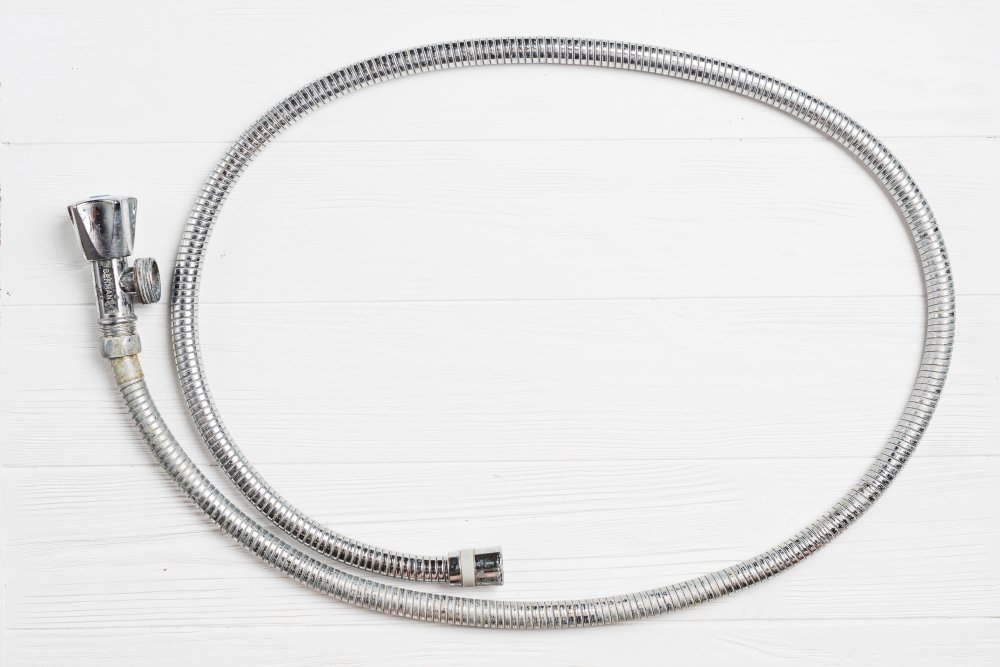
A flexible metal hose is a corrugated metal tube, usually stainless steel, often wrapped in a braid of wire. The corrugations give it flexibility, while the braid carries the pressure and stops the hose stretching like a spring under load.
Rubber and PTFE hoses have their place. But when temperatures climb, when the fluid is aggressive, or when a leak is a safety issue and not just a mess, metal wins: it handles heat that would cook rubber, it doesn’t age the way elastomers do, and it tolerates a wide range of chemicals, provided you choose the right alloy.
Across the Emirates you’ll find them on steam lines, compressor connections, pump vibration absorbers, fuel and gas lines, chilled water loops in district cooling, and process piping in refineries and petrochemical plants.
Why the UAE is hard on hoses
Think about the conditions for a moment. Summer surface temperatures on exposed pipework in Abu Dhabi or Dubai can be punishing, humidity along the coast is high, and the air carries salt, which does quiet, patient damage to the wrong grade of steel.
Here’s where I’d take a firm position: for anything installed near the coast, offshore, or in a desalination or marine setting, specify 316L over 304 and don’t look back. Standard 304 stainless can suffer chloride-related corrosion and cracking in salty air, especially when it runs warm, and the price gap between the two grades is small next to the cost of a shutdown to replace a failed line.
Inland sites, say a warehouse or light industrial unit in Sharjah, may be fine with 304. Ask the question anyway.
The specs that matter most
Confirm these with any metal hose supplier, roughly in this order:
- Media. Water, steam, gas, oil, chemicals? Each pushes you toward different alloys and braid options.
- Working pressure and temperature. Pressure ratings drop as temperature rises, so a hose rated for a certain pressure at room temperature will not hold that figure at high heat. Ask for the derated number, not the headline one.
- Movement type. Vibration, thermal expansion, full bending motion? Axial, lateral and angular movement are different jobs, and the hose length and bend radius change with each.
- End fittings. Flanged, threaded, welded or quick-connect. This is often where failures begin.
- Length and bend radius. Too short and the hose gets pulled tight. Too tight a bend and it kinks or fatigues. Either one shortens its life, fast.
- Standards and testing. Corrugated metal hose assemblies are commonly built to EN ISO 10380, and pressure testing of finished assemblies is normal practice. Ask what testing comes with your order and request the paperwork.
Supplier, trader or manufacturer?
They aren’t the same thing, and the difference shows up when something goes wrong.
Traders can source a hose quickly from stock, which is useful when a line is down and you need a replacement by tomorrow. A metal hose manufacturer in UAE, or a supplier with real assembly capability, does something different: builds to your length, fits the correct end connections, tests the assembly, and adjusts the design when your first spec turns out to be wrong. And it often turns out wrong.
So which do you need? For a standard off-the-shelf replacement, a good stockist is enough. If the hose sits on a critical line, or the application is unusual, go with someone who can engineer and test the assembly rather than just ship a box.
Searching for metal hose suppliers in Dubai will give you a long list. To narrow it down, ask each one for the working pressure at your operating temperature, the material certificates, and the test procedure. Clear, quick answers are a good sign. Dodging tells you something too.
Where Inflex Hydraulics fits
Inflex Hydraulics supplies metal hoses in Dubai and across the wider UAE, with a focus on hose assemblies for industrial, oil and gas, marine and utility applications. If you’re comparing options, send over your media, pressure, temperature, size and fitting requirements and ask for a recommendation, not just a quote. A proper answer should name the alloy, braid and end connection, and explain why. Confirm current stock, grades and certification details directly with the team before ordering, since availability changes.
Mistakes that cost money
Almost none of them are about the hose itself.
Twisting during installation is the big one. Torque applied to a corrugated hose while tightening a fitting can damage it before it ever sees pressure, so hold the hose with a second wrench and keep it straight. Close behind is forcing a hose into a permanent bend around a corner to avoid buying an elbow. Hoses are meant for movement and vibration, not for covering up poor pipe layout.
Then there’s the mismatched replacement. Someone swaps a failed hose with whatever fits, and the new one is a lower pressure class. It works for months. Then it doesn’t.
Skipping inspection is the last one. A quick look for broken braid wires, corrosion at the fittings, and any sign of weeping costs nothing, and it catches problems while they’re still cheap.
FAQ
Which metal hose is best for coastal areas in the UAE?
316L stainless steel is generally the safer choice for coastal, marine and desalination environments because it resists chloride attack better than 304. Confirm the grade against your exact conditions with your supplier.
Can a metal hose handle steam?
Yes, stainless steel metal hose is widely used for steam. Check the pressure rating at your steam temperature, not at ambient, and make sure the end fittings suit the same conditions.
How long does a metal hose last?
There’s no honest single number. Service life depends on pressure, temperature, movement, vibration and corrosion. A correctly specified and installed hose can last for years, while a mismatched one can fail much sooner.
Can hoses be made to a custom length in the UAE?
Yes. Many suppliers and manufacturers build assemblies to length with the end fittings you specify. Send the movement type and bend requirements along with the length.
What should I send a supplier to get an accurate quote?
Media, working pressure, working temperature, hose size, required length, end connection type and where it will be installed. The more you share, the less back and forth you’ll need.