
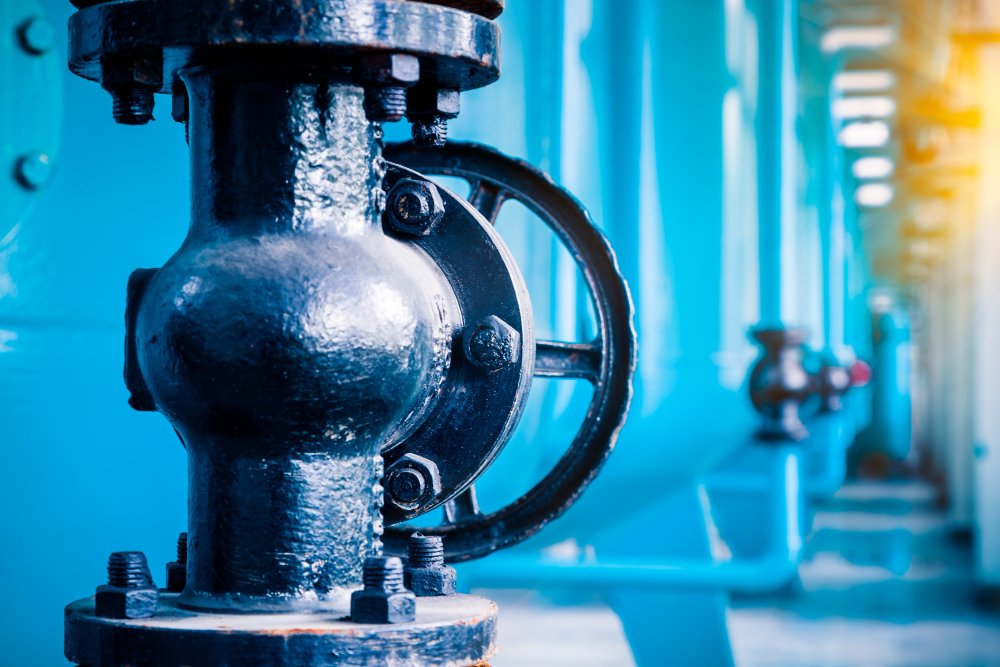
Everything is controlled in any hydraulic system. Ranging from the regulation of the pressure to the regulation of the flow of the fluid, the quality of your system and the performance of the parts depend on a lot. The key structures in this control system are the hydraulic valves, which are the key components that determine the smooth, safe, and accurate running.
Inflex Hydraulics offers high-performance industrial reliability solutions that are high-performance. Whether it is heavy machinery, manufacturing, or fluid transfer applications, it can be helpful to be in a position to be familiar with the different types of hydraulic control valves so that better decisions can be made and allow the maximization of system efficiency.
What Are Hydraulic Valves?
The hydraulic valves are machinery that are utilized to manipulate, direct, and control the flow and pressure of the fluid in a hydraulic system. They are compared to the brain of the system since they ensure that the fluid moves in the correct direction, pressure, and also at the correct time.
Since hydraulic control valves are required to control a wide set of industrial needs, they may have simple on/off systems up to more complicated flow regulation systems.
Why Are Hydraulic Control Valves Important?
A system will lose its efficacy, or pressure may fluctuate or break down without well-operating hydraulic control valves.
Here’s why they are critical:
- Flow Regulation: Controls the speed and movement of hydraulic systems
- Pressure Management: Prevents overload and system damage
- Directional Control: Ensures fluid flows where it is needed
- Safety: Protects equipment and operators from malfunctions
The selection of the appropriate hydraulic flow control valve or directional system will be the key to the best performance and long life.
Types of Hydraulic Valves
This is because knowing the various types of hydraulic valves assists you in making a choice of the best hydraulic valve to use. The most frequently used ones are listed below:
1. Solenoid Valves
Solenoid valves are automatically operated, electrically powered types of valves that regulate the flow of fluid. These are common in fast, responsive, and automated systems.
They are also good in any application that needs remote operation and, hence, are a common choice in the modern hydraulic system.
2. Directional Control Valves
Directional control values are employed to control the fluid flow flowing in a system. They define the route taken by hydraulic fluid, and this has a direct influence on machine movement.
Hydraulic directional control valves are sophisticated and need to be controlled accurately, and are usually applied in heavy machinery and automation in industrial applications.
3. Pressure Control Valves
These valves control the pressure of a hydraulic system. They are also mechanisms that make sure that the amount of pressure remains within safe ranges, which would not cause any harm to the equipment.
Pressure control valves are necessary in the system where the required pressure is the guiding principle of the system’s performance and safety.
4. Brass Low-Pressure Ball Valves
Brass low-pressure ball valves are designed for low-pressure applications and are made using corrosion-resistant brass material.
They are commonly used in systems where durability and cost-effectiveness are important, offering reliable shut-off control.
5. Flow Control Valves
The speed of the fluid flow is regulated by a hydraulic flow control valve. These valves can have a direct influence on actuator speed, such as impacting cylinders and motors through control of flow rate.
They are also available in applications where accuracy is needed in movement and stability at work.
6. Check Valves – Industrial Flow Control Valves
Check valves do not permit a backflow of fluid but rather allow it to flow in only one direction. They are important in ensuring the stability of systems and components’ security.
They find extensive application as hydraulic control valves in the industrial industry.
7. Needle Valves for Precise Flow Control
The purpose of needle valves is to control the flow rates. Their very fine-tuning is an added advantage that has made them suitable in instances where correctness is of the essence.
They are not used in the system where it is necessary to achieve rapid changes in the flow.
8. Non-Return Valves
The non-return valves work in the same manner as the check ones, making the fluid move in one direction. These are necessary in avoiding backward flow, which may cause system destruction.
9. High-Pressure Ball Valves
High-pressure ball valves will serve high-pressure conditions. Constructed of robust materials, they are reliable in terms of shut-off and control with heavy-duty usage.
They find many applications in industries where pressure is always high.
Choosing the Right Hydraulic Valves
Selecting the right hydraulic valves depends on several factors:
- System Requirements: Understand pressure, flow rate, and application needs
- Material Compatibility: Ensure valves are compatible with the fluid used
- Operating Conditions: Consider temperature, pressure, and environment
- Type of Control Needed: Whether you need directional, pressure, or flow control
The right selection of hydraulic directional control valves or hydraulic flow control valves can make the system very efficient in terms of operation.
Applications of Hydraulic Valves
Hydraulic valves are used across multiple industries, including:
- Construction Equipment: Excavators, loaders, and cranes
- Manufacturing Units: Automated machinery and production lines
- Oil & Gas Industry: Fluid transfer and pressure control systems
- Automotive Sector: Braking and steering systems
- Marine Applications: Ship hydraulic systems
In any industry, good hydraulic control valves are required to guarantee effective operations.
Why Choose Inflex Hydraulics?
Inflex Hydraulics has learned that each hydraulic system is one of a kind. That is why we provide a great variety of high-quality hydraulic valves that would suit various industrial requirements.
Here’s what makes us a trusted choice:
- Extensive range of hydraulic control valves
- High-performance hydraulic directional control valves
- Reliable and durable hydraulic flow control valve solutions
- Expert guidance and technical support
- Products built for long-term performance
Our business is determined to support the efficiency, safety, and reliability of the business with the best hydraulic solutions.
Final Thoughts
The strength of hydraulic systems only depends on the strength of its components and the hydraulic valve is one of the most essential components. The input of control direction and control pressure to regulate flow makes these valves very effective in having smooth and efficient systems.
Knowing the various types of directional control valves, hydraulic directional control valves, and hydraulic flow control valves will enable you to make informed decisions that will help to improve performance and minimize downtime.
Inflex Hydraulics is the reliable partner that can give you solutions to any problem that you want because the firm has high-quality hydraulic components that will produce results.